
If you’ve ever wondered why some scrap car services feel more legitimate than others — this is a big part of the reason. Canada has a genuinely robust framework of environmental regulations around vehicle recycling, and the businesses operating within it are held to a much higher standard than most people realize.
Understanding these rules won’t just make you a more informed consumer. It might actually save you from a headache down the road.
Why Scrap Cars Are an Environmental Concern in the First Place?
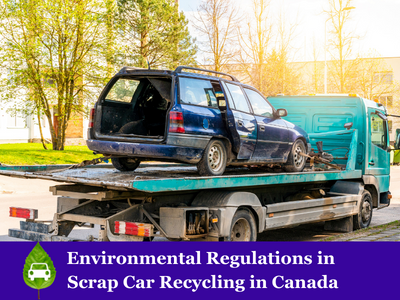
An end-of-life vehicle isn’t just a hunk of metal. A single car can contain:
- 5–10 litres of engine oil and transmission fluid
- Coolant, brake fluid, and power steering fluid
- Refrigerants from the A/C system
- Lead-acid or lithium batteries
- Airbag propellants classified as hazardous materials
Left unmanaged, these substances can leach into soil and groundwater, contaminate local ecosystems, and pose real health risks. That’s exactly why Canada treats vehicle recycling as a regulated activity — not a free-for-all.
The Federal Layer: CEPA and What It Actually Requires
The Canadian Environmental Protection Act (CEPA) is the backbone of how hazardous materials — including those found in scrapped vehicles — are managed nationally.
Under CEPA, substances like refrigerants and battery acids fall under controlled waste categories. Recyclers must store, handle, and dispose of these materials according to strict protocols. It’s not optional, and non-compliance carries real penalties.
For car owners in Toronto and across the GTA, this means a licensed recycler isn’t just a convenience — they’re legally accountable for what happens to your vehicle’s hazardous components.
End-of-Life Vehicle (ELV) Regulations: The Specifics
Canada’s ELV regulations zero in on the vehicle recycling process itself. These rules govern three core stages:
- Depollution: All hazardous fluids must be drained before any dismantling begins. Batteries, airbags, and refrigerants require specialized handling.
- Dismantling: Usable components are removed for reuse or proper recycling, reducing waste sent to landfills.
- Material Recovery: Metals, plastics, and glass are separated and redirected into recycling streams.
These aren’t aspirational guidelines. They’re operational requirements for any legitimate scrap car recycling business in Canada.
Provincial Regulations: Ontario Adds Its Own Layer
Federal rules set the floor but Ontario builds on top of them.
Provincial environmental legislation requires recycling facilities to hold proper operating licenses, manage waste streams according to provincial standards, and in some cases report their environmental performance to regulators. Facilities operating without provincial compliance aren’t just cutting corners — they’re breaking the law.
This is why where you take your car or who you call for scrap car removal in Toronto genuinely matters. Not all scrap car services operate under the same level of compliance — and that difference has real consequences. An unlicensed yard might offer a slightly higher quote, but they’re likely skipping the depollution and waste management steps that regulations demand. The environmental cost of that gets passed on to the community.
What This Means for You as a Car Owner?
Most people don’t think about regulations when they’re scrapping an old vehicle. But there are a few practical takeaways worth keeping in mind:
- You share responsibility: Surrendering your vehicle to an unregulated operation can, in some circumstances, create liability for improper disposal.
- Not all recyclers are equal: Compliance with CEPA and ELV regulations separates legitimate operations from unlicensed ones.
- Eco-friendly isn’t just marketing: When a scrap car company claims an eco-friendly process, these regulations are what give that claim substance (or expose it as empty).
- Free towing and fair payouts don’t require cutting corners: Responsible recyclers can offer both.
Choosing a Compliant Scrap Car Service in the GTA
When you’re looking for cash for scrap cars in Toronto, a compliant operation will typically:
- Handle full depollution before crushing or dismantling
- Provide a proper bill of sale and paperwork
- Offer free towing without surprise deductions
- Accept vehicles in any condition — including non-running, damaged, or rusted-out cars
At Cash For Scrap Cars GTA, our process is built around responsible, regulation-compliant recycling across Toronto and the wider GTA — including North York, Scarborough, Mississauga, Brampton, and Markham. We accept all makes and models in any condition, offer free towing, and pay up to $10,000 depending on the vehicle.
What These Regulations Really Come Down To?
Canada’s environmental regulations around scrap car recycling exist for good reason, and they do a meaningful job of keeping hazardous materials out of the ground, the water, and the air. The businesses that take these rules seriously are the ones worth working with.
If your vehicle is ready to go, call 416-414-2977 for a quick, no-obligation quote. The process is straightforward, towing is free, and pickup is often available the same day. You get paid, and your vehicle is handled responsibly from start to finish.