
Most people stop thinking about their old car the moment the tow truck pulls away with it. The cash is in hand, the driveway is clear, and that’s usually the end of the story. Still, it’s a fair question to wonder about. That car sat outside your house for years. Where does it actually go?
The short answer: it gets taken apart before anything gets crushed. The longer answer depends a lot on the vehicle itself.
Is the Car Crushed Right Away?
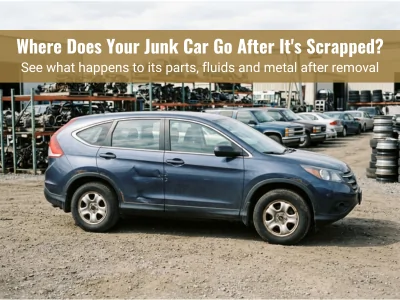
No. It’s a common assumption, but it isn’t how end-of-life vehicle recycling generally works.
Crushing a car with fuel still in the tank, a battery under the hood, and a working transmission bolted in would waste anything worth recovering and create a mess of fluids and hazardous material that has to be dealt with separately anyway. Automotive recycling facilities generally handle the useful and hazardous material first. The crushing or shredding stage, when it happens, comes near the end.
What Gets Pulled Off the Vehicle First
Once a scrap car reaches a dismantling or auto recycling operation, usable components are typically assessed and removed. Depending on the vehicle’s age, make, and condition, salvageable parts can include:
- Engines, transmissions, alternators, and starters
- Doors, hoods, bumpers, and body panels
- Wheels, rims, and tires with life left in them
- Seats, mirrors, and interior electronics
Other components, such as batteries and catalytic converters, are usually removed for their materials rather than resold as working parts.
Condition drives everything here. A newer car written off after a collision may still have an intact drivetrain worth reselling, since the damage is concentrated in one area. An older vehicle that sat unused through a few Ontario winters can be a different story, because rust and trapped moisture take a steady toll on metal and electrical components long before anyone gets around to scrapping it.
Demand matters too. Parts for common models that are still on the road in large numbers tend to be worth recovering. Parts for a discontinued model nobody drives anymore often aren’t.
Fluids and Hazardous Materials
Before a vehicle can be processed further, it has to be drained. This stage is usually called depollution, and it’s the part of the process with the most oversight.
Fluids and components that typically need to be removed and handled separately include engine oil, coolant, brake and transmission fluid, fuel, air conditioning refrigerant, the battery, and mercury switches on some older vehicles. These can’t go into general waste, and facilities handling them are subject to environmental requirements.
This is the main reason why leaving a dead car to rot in a backyard is a genuinely bad idea. Fluids leak out slowly into the ground, and nobody notices until there’s a problem.
What Happens to the Metal
Once the vehicle is stripped and drained, what’s left is mostly steel and aluminum. The remaining shell may be flattened, baled, or fed into a shredder, then sorted using magnets and other separation equipment to divide ferrous metal from non-ferrous metal.
From there it goes into the scrap metal supply chain and eventually gets melted down for reuse. Plastics, glass, and interior fabrics are handled differently depending on the facility, and not all of it is recoverable.
Not Every Car Follows the Same Path
Two junk cars picked up on the same day in Scarborough can end up processed quite differently. What changes the route:
- The vehicle’s condition. A car with a seized engine and flood damage has a different value profile than one that simply failed a safety inspection.
- The buyer. Some operations focus on parts resale, others on metal tonnage.
- Age and model. Newer vehicles carry more recoverable components.
What This Actually Means for You
Practically speaking, not much changes on your end. You arrange pickup, sign over the vehicle, and get paid. What happens downstream is handled by the recycling side of the industry.
Where it does matter is in who you call. An established scrap car removal service will handle the handover properly and give you a clear record that the vehicle changed hands. Keeping that record is worth doing. Once a car leaves your driveway, being able to show when you released it and to whom saves you the headache of sorting it out later.
It can also affect what you’re offered. The vehicle’s overall condition, whether it still has parts worth salvaging, and where scrap metal values sit at the time all feed into what a buyer is able to pay.
Getting Your Vehicle Off the Property
We buy vehicles across Toronto and the GTA in any condition, running or not, damaged, rusted, missing parts, or sitting on flat tires in a driveway you’d rather use for something else. Towing is free, and same-day pickup is often available depending on scheduling.
You don’t need to arrange a tow, clean the car out beyond removing your belongings, or get it running. We handle the pickup, and you get paid cash for your vehicle.
If that old car has been sitting long enough that you’ve stopped seeing it, call us at 416-414-2977 for a quote on cash for your scrap car. It takes a few minutes to find out what it’s worth, and you’ll know exactly what you’re getting before we arrange the pickup.